
The Rundown on Fishermen Wellness

Commercial fishing is one of the most dangerous and physically demanding occupations in the United States, and the people who do it are, by every meaningful definition, industrial and tactical athletes. They work in extreme conditions, perform repetitive high-load movements, manage significant psychological stress, do all of it with little margin for error, and rarely a day off. For too long, the mental and physical health needs of the people doing that work have gone largely unaddressed.
To change that, we focus on three primary areas of wellness: physical health, mental wellbeing, and safety at sea.

Commercial fishing is hard on the body. Repetitive movements, heavy lifting, and long hours in cold, wet conditions add up over a career. Through a partnership with Coastal Orthopedics, we cover the cost of physical therapy for commercial fishermen to make it easier for them to make an appointment and get the treatment they need. Removing the costs makes it easier to just get in the door.
We also share practical wellness resources on nutrition, hydration, exercise, sleep, and recovery, written for the realities of boat life, not a gym membership or a nine-to-five schedule.
And because better care starts with better understanding, we work to educate medical providers on the specific demands and risk factors of commercial fishing, from irregular schedules and sun exposure to the repetitive physical stress that defines the work.
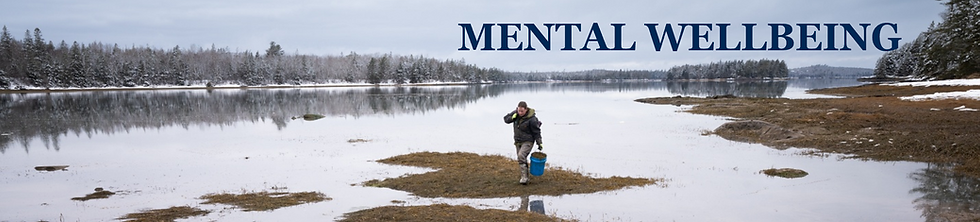
We cover the cost of a fisherman's first mental health visits and connect them with providers who understand what the job actually involves. Asking for help is hard enough, so we try to make the next step a little easier.
We also work to reduce the stigma around mental health in fishing communities, because the culture that makes fishermen good at their jobs can also make it harder to ask for support. Through free Mental Health First Aid training led by NAMI-Maine, we help the people who live and work alongside fishermen recognize when someone may be struggling and know how to respond.

Emergencies do not wait for ideal conditions. We keep extra survival suits and life rafts available to borrow when vessels have unexpected crew or gear that needs to be repacked, because having the right equipment for everyone aboard is not optional.
In collaboration with Fishing Partnership Support Services, Green and White Hope, and others, we co-created a Community Orchestration Guide to help fishing communities respond when an incident occurs.
We have also covered the cost for young fishermen to attend USCG-approved safety trainings.


Comments